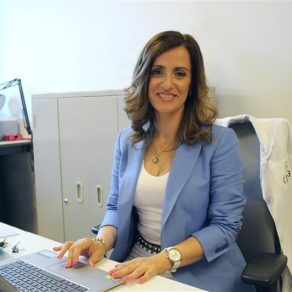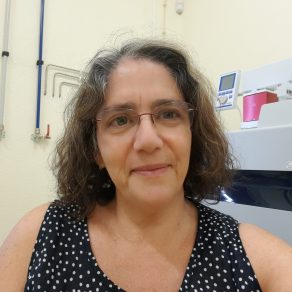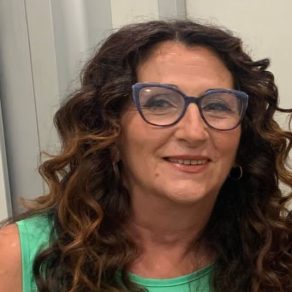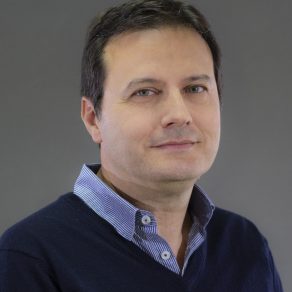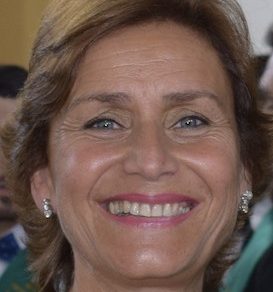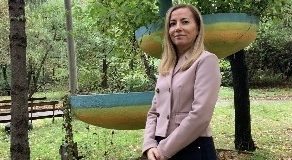
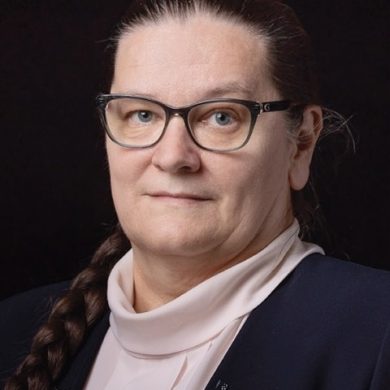
Elen Gócza, PhD, DSc.
Elen Gócza (PhD, DSc) is Corresponding Member of Hungarian Academy of Science, and a prominent scientist in animal biotechnology, serving as a scientific advisor and Head of the Department of Animal Biotechnology at the Institute of Genetics and Biotechnology, Hungarian University of Agricultural and Life Sciences (MATE).
She is also an Honorary University Professor and a member of the Doctoral School of Animal Biotechnology and Animal Science at MATE.
Dr. Gócza graduated in biology from Eötvös Loránd University (ELTE) in 1989, where she helped establish Hungary’s first mouse embryology and stem cell research lab. She pursued her PhD in cell biology at ELTE, completed in 1996, and achieved habilitation in animal husbandry sciences at Szent István University in 2007. In 2014, she was awarded a DSc by the Hungarian Academy of Sciences.
Throughout her career, Dr. Gócza has led essential research in embryology and stem cell biology. She directed the Applied Embryology and Stem Cell Research Group at the Agricultural Biotechnology Centre in Gödöllő from 1996 to 2014. Her research focuses on pluripotency, embryonic stem cells, and germ cells. Notable achievements include a 2024 study on monitoring embryonic germ cells in chickens using a fluorescence ubiquitination-based system and a 2023 publication on pluripotency-related microRNAs in vertebrate embryos.
Dr. Gócza has conducted international research collaborations, including projects at Mount Sinai Hospital (Canada), the Agricultural Research Center (Finland), and Martin Luther University (Germany). She has also organized numerous international conferences, including the ESTOOLS Annual Meeting and FIBOK conferences, contributing significantly to the scientific community.
Currently, she leads the Animal Biotechnology Section of the “Agricultural Biotechnology and Precision Breeding for Food Safety” National Laboratory, focusing on precision breeding technologies. Dr. Gócza’s influential work has been extensively published in leading journals, affirming her status as a leading figure in embryology and stem cell research.